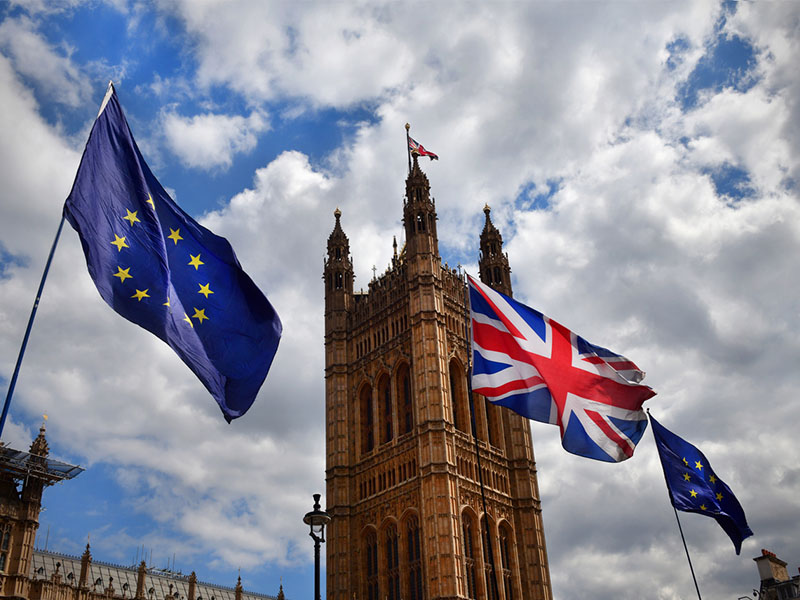
The growth figure for the April-June quarter announced by the European Union’s statistics agency Eurostat compared to a drop of 0.3% in the first quarter of 2021, as eurozone nations endured a double-dip recession after a rebound in mid-2020. The second-quarter growth figure was stronger than the 1.5% foreseen by market analysts.
Much of the improvement came from southern European countries that had earlier been hit hard by large Covid-19 outbreaks and a loss of tourism revenue.
Italy, which endured 128,000 pandemic deaths and a deep recession, was a major positive surprise in the last quarter, growing 2.7% as consumer spending revived. Portugal boomed with 4.9% growth. Meanwhile, growth returned in Germany, the EU’s largest economy, which saw output increase by 1.5% after a sharp drop of 2.1% in the first quarter.
German auto companies in particular have shown strong profits despite a shortage of semiconductor components as global auto markets recover, particularly for the higher-priced vehicles sold by Mercedes-Benz and by Volkswagen’s Audi and Porsche luxury brands.
In another sign of rebounding activity, European plane maker Airbus this week raised its outlook for deliveries this year.
Yet, over the long haul, the eurozone recovery lags the one in the U.S., where the economy surpassed its pre-pandemic level during the second quarter in 2021 with growth of 1.6% over the previous quarter.
Friday’s figures leave the eurozone 3% smaller than before the virus outbreak, according to Capital Economics. China, which was hit first by the outbreak of coronavirus, was the only major world economy to continue growing during the pandemic year of 2020.
The stronger performance in southern Europe may be the result of households increasing their spending as restrictions are eased, said Andrew Kenningham, chief Europe economist at Capital Economics.
Spain, with growth of 2.8% and consumer outlays up 6.6%, illustrated the rebound as well as underlining how far it has to go. Gross domestic product there remains 6.8% below where it was before the pandemic.
A slow vaccination rollout held back the European economy in the first months of the year. But Europe has made steady progress since, in recent days passing the U.S. in total vaccinations adjusted for population.
Still, the spread of the highly contagious delta variant has led to predictions that it may slow, though not derail, Europe’s economic upturn. Travel and tourism are recovering but remain subdued.
“Given its reliance on tourism, the Spanish economy looks especially vulnerable to the delta variant that is forcing several regions in the country to impose new restrictions, while foreign governments are discouraging trips to the Iberian Peninsula,” said Edoardo Campanella, economist at UniCredit Bank in Milan.
Other figures released Friday showed eurozone unemployment at 7.7% in June, down from 8.0% in May. Inflation rose to 2.2% in July from 1.9% in June.
The eurozone economy has been sustained by heavy government spending on pandemic relief, including subsidies for companies that keep furloughed workers on the payroll.
The European Central Bank is adding monetary support by keeping interest rate benchmarks at record lows and by purchasing 1.85 trillion euros (US$2.2 trillion) in government and corporate bonds through at least March 2022. That step drives down longer-term borrowing rates and helps keep credit flowing to businesses and governments.
European economy grows 2%, ending double-dip recession - Investment Executive
Read More


No comments:
Post a Comment